 This year the international service committee reached far and wide. Here are some of the projects they participated in:
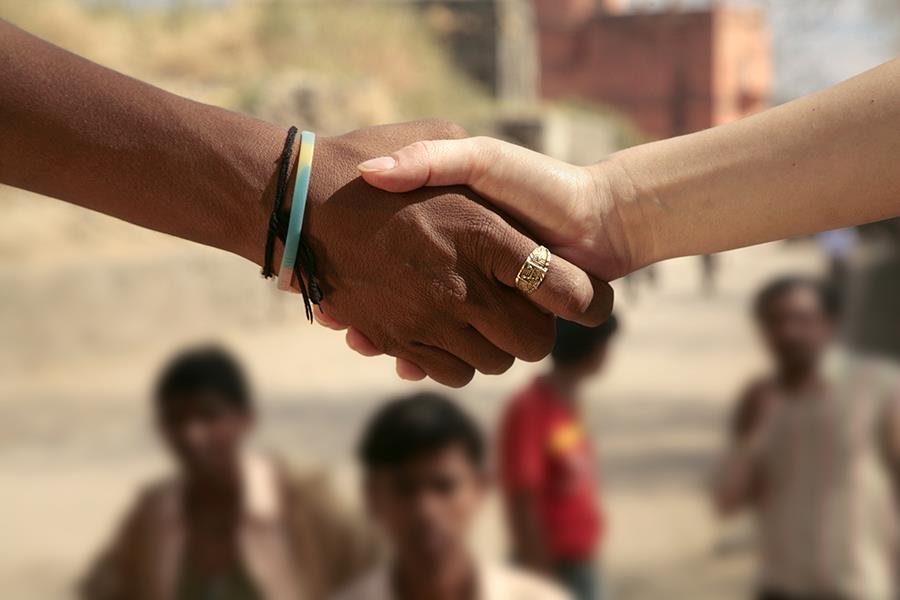
Caring Hand is a program where we adopted a child in India so that she could go to school. We also helped with food insecurity.
Days for Girls is a hands-on project that we have participated in for a few years. We go to a local site in LA to help create hygiene kits for girls in underserved countries. This allows them the freedom to go to work and school on days that they menstruate. Click on READ MORE for the rest of the story.
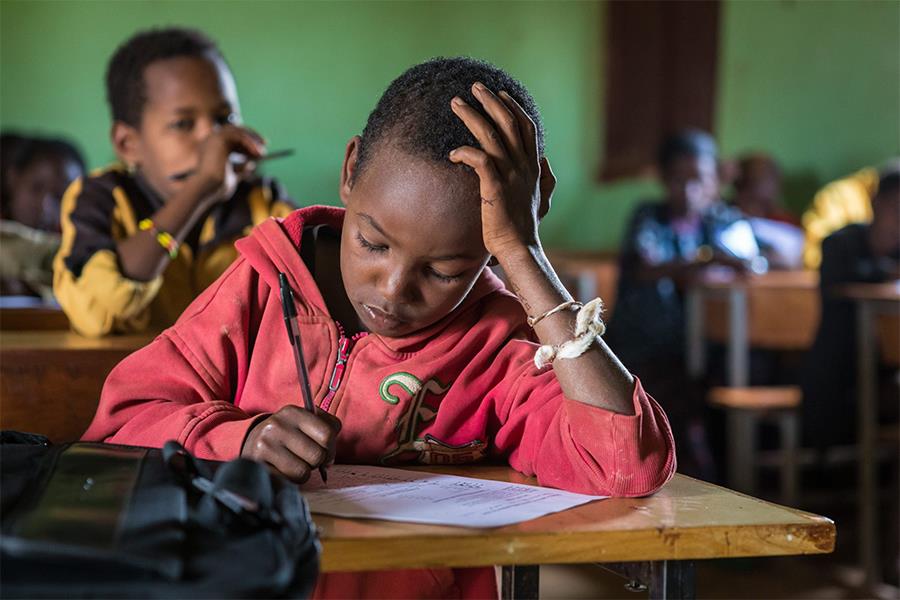 DEBO is an Ethiopian Foundation run by Elizabeth Tilkian that brings a comprehensive range of services such as problem solving in education, reforestation, and microlending. DEBO also awards scholarships to outstanding high school, vocational school, and college students allowing them to continue their education.
The Hippolyte Foundation in Nigeria focuses on education, water and sanitation, and alleviation of poverty. Elegance Hippolyte oversees the Rotarian foundation, which improves the quality of life for underprivileged families and provides hot lunches for low-income students.
 The club continued its support of the K. Sam Essilfie Medical Foundation, which works in conjunction with the Boys and Girl Club of Ghana. The foundation addresses educational and healthcare inequalities in underprivileged remote and rural communities. We helped them replace a roof on their classrooms. Before, the children were sitting outside under trees, which was not conducive on hot or rainy days.
Rotarian Penny Leon’s Ugandan foundation, Florence for Youth in Action, focuses on education and clean water for orphans. The country has a high food insecurity rate and children who live at a school receive three meals a day and a snack.
The Grace Centre in Zambia serves about 80% of the girls who are unemployed. There are two contributing factors to this situation—a lack of training in employable skills and a lack of secondary schools. The cost of schooling is beyond the means of most families, and if money is available, boys are the priority. Many girls could finish high school if funds were available.
The Greater Contribution provides opportunities for Ugandan women that allow them to escape the cycle of poverty by offering microloans and vocational training. Women and girls also receive literacy training.
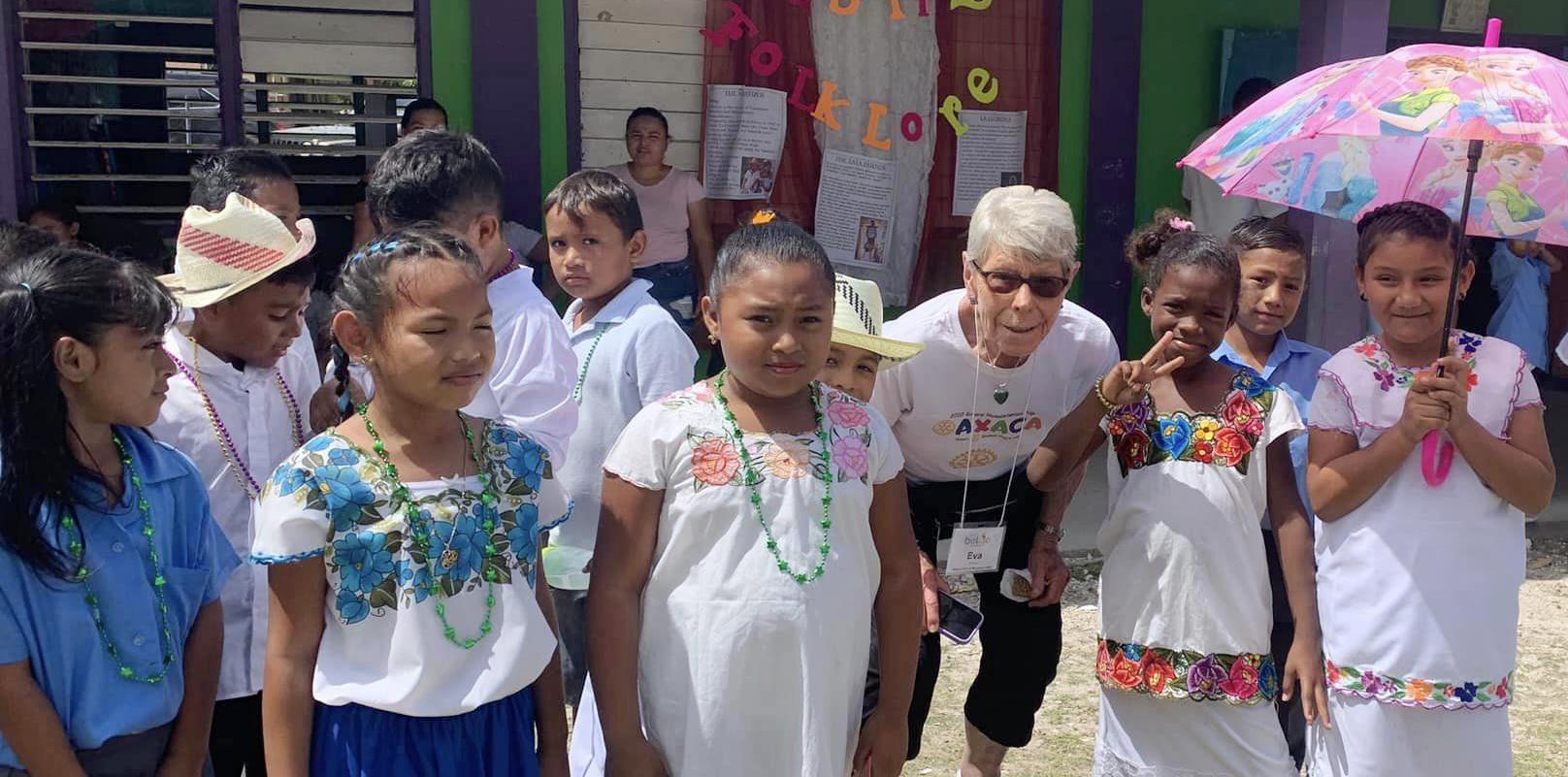 We contributed to a global grant for the Humanitarian Trip to Costa Rica. Our project strengthened the cultural and sports programs at the Modality Boarding School and Workshop Farm of the La Esperanza Institute, which serves 63 adolescents who have cognitive and/or intellectual disability issues. Special vocational workshops are offered at the Farm, to strengthen their economic independence and social inclusion. In 2016, a rhythm band was established, and the grant funded musical instruments and uniforms. In addition, there is a sports program that includes micro-football, soccer, tennis, and volleyball.
Anna Sakvarelidze established the Rotary Beauty Center for Ukrainians in Georgia. Participants are provided with English language, and cosmetology and sewing courses. Graduates are employed at the center. The alumni also train new students.
Team Rubicon provides humanitarian aid, disaster relief and first responder assistance to countries and communities following natural and other disasters.
Rotarian Pami Kaur introduced the club to the Guru Ramdas Langar Sewa Society in India. Manjeet Singh took volunteers to organize a new Langar kitchen at the Golden Temple in Amritsar, India. Manjeet walked from Delhi to Amritsar (280 miles), stopping at different Gurdwaras (places of assembly and worship). He saw many poor people who didn’t have the means to get to a Gurdwara for food. In 2019 he built a kitchen on his family’s property in Hoshiarpur, India. Currently, the kitchen cooks and distributes 50,000 meals per day. Rotary contributed $5,000 for the cause
 Last, we participated in a global grant headed by Walter Hughes and the Rotary Club of Salem, Oregon, that partnered with a Rotary club in Montréal to raise the funds for the grant. Walter has been working in Ghana for 20 years. His team has helped close to a million people. This grant addresses three needs: clean water, sanitation and economic development for growing communities. In Ghana 90% of child deaths are from diarrheal diseases. The grant addresses this challenge with the installation of micro-flush toilets that convert human waste into compost. The project is sustainable because it doesn’t burden the water supply, creates compost that local farmers can use and provides job for toilet makers.